

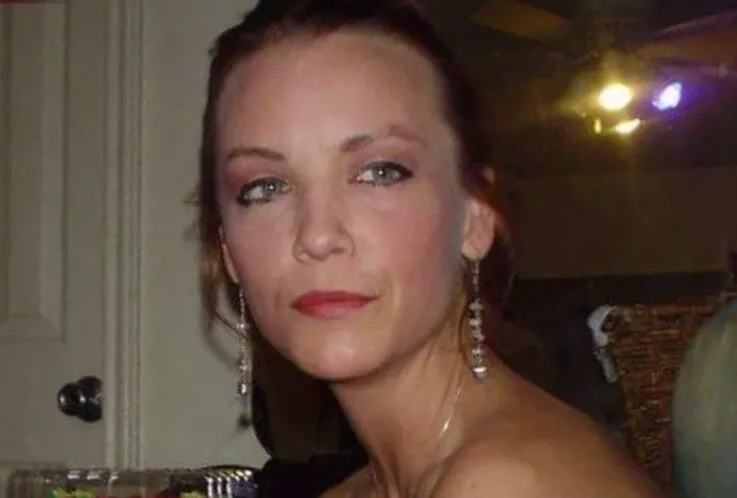
In a tragic case that highlighted the severe risks faced by legal professionals and the complexities of premises liability law, the death of Erin McCleskey in Austin, Texas, serves as a sobering reminder of the responsibilities held by property owners.
While the event itself was heartbreaking, the subsequent legal proceedings offer critical insights into how the justice system handles wrongful death claims, animal control regulations, and the insurance liability associated with owning large animals.
The Incident: A Routine Service Turned Tragic
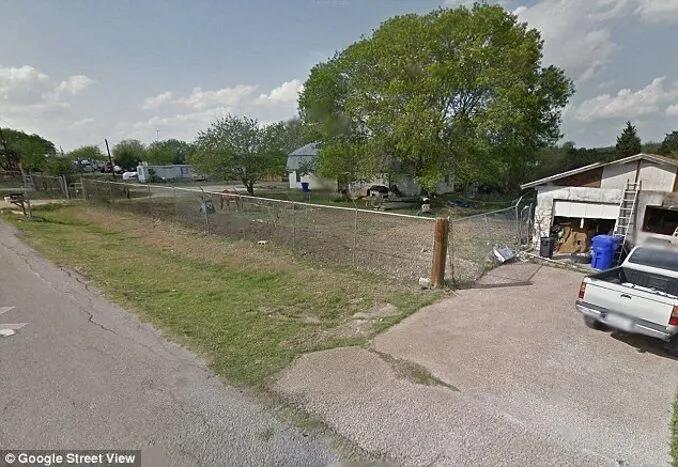
In June 2016, Erin McCleskey, a 36-year-old certified process server, visited a residence in Manor, Texas, to deliver legal documents. Process servers are an essential part of the judicial system, ensuring that due process is upheld by notifying individuals of pending legal actions.
McCleskey entered the property, which was gated, to serve the papers. Unbeknownst to her, the homeowner was away, and a pack of six large dogs—mixed breeds including Labrador and Great Pyrenees—were roaming the grounds freely. With no witnesses present, McCleskey was attacked by the animals. Her body was discovered later that evening.
This incident immediately sparked a debate regarding occupational hazards for civil servants and the duty of care owed by property owners to those entering their land.
Legal Liability and Negligence
From a legal standpoint, this case touches on several high-value areas of civil litigation.
1. Premises Liability Claims
In personal injury law, premises liability refers to the responsibility of a property owner to maintain a safe environment. The level of care owed depends on the status of the visitor (e.g., invitee, licensee, or trespasser).
- Process Servers as Licensees: In many jurisdictions, process servers are considered “licensees” or effectively invited guests because they have a legal right to enter the property to perform their duties.
- Failure to Warn: A key component of negligence lawsuits involves whether the owner provided adequate warning of known dangers. If a homeowner keeps dangerous animals, they are typically required to post visible signage (e.g., “Beware of Dog”) or secure the animals to prevent bodily injury.
2. Strict Liability vs. The “One Bite” Rule
State laws vary significantly regarding dog bites.
- One Bite Rule: Some states follow a doctrine where an owner is only liable if they knew the dog had aggressive tendencies (i.e., it had bitten someone before).
- Strict Liability: Other jurisdictions impose strict liability, meaning the owner is financially responsible for damages regardless of the dog’s previous behavior. In the McCleskey case, the sheer number of animals and their unrestrained status complicated the defense, leading to intense scrutiny under animal control statutes.
The Aftermath: Civil Proceedings and Animal Control
Following the tragedy, a significant legal battle ensued—not just regarding financial compensation or criminal charges, but concerning the fate of the animals involved.
A Travis County jury was tasked with determining if the dogs were “dangerous” under local law. In 2017, after reviewing the evidence, the jury found that all six dogs participated in the attack. Consequently, the judge ordered the animals to be euthanized in the interest of public safety.
For the property owner, even in the absence of criminal homicide charges, the financial liability can be devastating. Wrongful death settlements in cases involving dog attacks can reach into the millions, covering:
- Lost future earnings of the victim.
- Pain and suffering.
- Loss of companionship for the family.
Homeowners Insurance and Dog Bite Coverage
For property owners, this case underscores the importance of adequate homeowners insurance.
- Liability Limits: Standard policies often include liability coverage for dog bites, typically ranging from $100,000 to $300,000. However, in catastrophic cases involving death, these limits are quickly exhausted.
- Exclusions: Many insurance carriers now have exclusion lists for specific breeds deemed “high risk” (e.g., Pit Bulls, Rottweilers, Dobermans). If a homeowner owns a breed on the exclusion list without a specific rider, their claim may be denied, leaving them personally liable for all legal fees and judgments.
- Umbrella Policies: Wealth advisors and insurance agents often recommend umbrella insurance policies to provide additional coverage (often $1 million or more) to protect assets in the event of a major lawsuit.
Safety Protocols for Gig Workers and Lone Workers
The McCleskey tragedy also prompted a review of safety protocols for “lone workers” like process servers, delivery drivers, and real estate agents.
- Risk Assessment: Modern safety apps allow workers to flag dangerous properties.
- Employer Responsibility: Companies contracting these workers may face workers’ compensation claims if they fail to provide adequate safety training or equipment.
Conclusion
The death of Erin McCleskey remains a heartbreaking chapter in Texas legal history. However, it stands as a critical case study for personal injury attorneys, insurance adjusters, and animal owners. It reinforces the absolute necessity of responsible pet ownership and the severe legal and financial consequences that follow when negligence leads to tragedy.
Disclaimer
This article is for informational purposes only and does not constitute legal advice. If you have been involved in a similar incident, please consult with a qualified personal injury attorney or criminal defense lawyer in your jurisdiction.